


Concetti Chiave
- Jane Austen's upbringing in a supportive family environment, with a father who encouraged her writing and a mother who influenced her humanistic education, played a crucial role in her development as a writer.
- Her father, George Austen, recognized her talent early on and supported her by providing tools to hone her writing skills, although initial publication attempts were unsuccessful.
- Jane Austen's works, including Pride and Prejudice, often explore themes of family, social values, and traditions, reflecting the influence of her domestic environment and the novel of manners.
- Austen's distinctive style, characterized by irony and insight into character psychology, draws inspiration from 18th-century novelists and focuses on love and marriage in English society.
- In Pride and Prejudice, the narrative follows the romantic developments of the Bennet sisters, particularly Elizabeth and Mr. Darcy, with a focus on themes of pride, prejudice, and self-awareness.
Indice
What was Jane Austen’s family and influence in her education and works?
Jane Austen was born in 1775 in a small village of the south-west England where his father, Geoge Austen, was the rector of the church. She lived and grew up with her siblings, six brothers and two sisters, but she had a special relationship with her elder sister, Cassandra.She was educated by her father, who owned a library with at least 500 volumes, against the rigid patriarchal system in force but also her mother, Cassandra Leigh, could have had a relevant influence in her daughter’s humanistic instruction since she was a well-known performer of impromptu verses. It is also known that lots of famous plays or plays written by any member of the family was performed at home.
It was George Austen who noticed at first Jane’s talent for writing and supported her by providing his daughter the necessary tools to improve her skills like a portable mahogany writing desk.
In 1797 he also wrote to the editor Thomas Cadell to ask to publish the first version of Pride and prejudice but his attempt was unsuccessful.
As a matter of fact this warm and domestic environment was crucial for the elaboration of Jane’s main works (Sense and sensibility, Pride and prejudice, Northanger Abbey, Mansfield park, Emma, Persuasion) which also are influenced by the tendency of writing novels of manners where family unit is related to social values, ideologies and traditions.
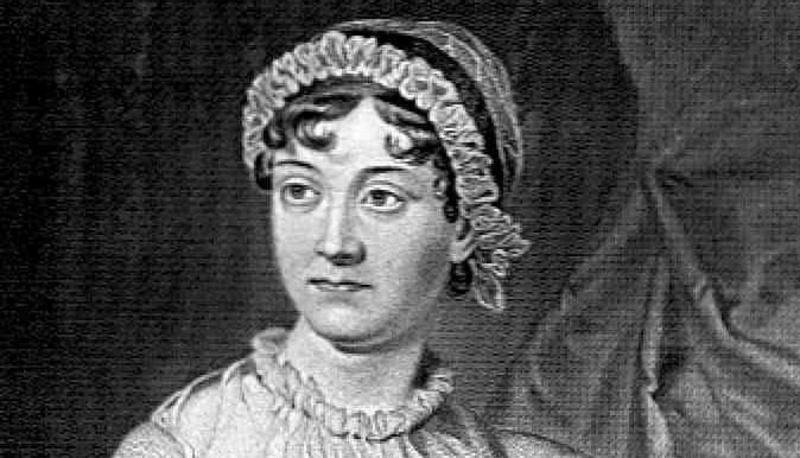
Jane Austen’s style and the case study of Pride and prejudice
Jane Austen owes much to the 18th century novelists, as Swift and Defoe, from whom she learned the insight into the psychology of the characters. Her style was characterized by irony and open interpretation. Her novels take place in England and they are about love and marriage because feminine main characters’ destiny, in real life, is to get married and take care of their family. Therefore, these stories usually have an happy ending because every character seems to have fulfilled his role in society that guarantee them stability and honour.Jane Austen remained fully committed to the common sense and moral principles of the previous generation but checked them through her own direct observation and feeling. She thought that love was a strong impulse that has to be controlled and brought to order by private reflection.
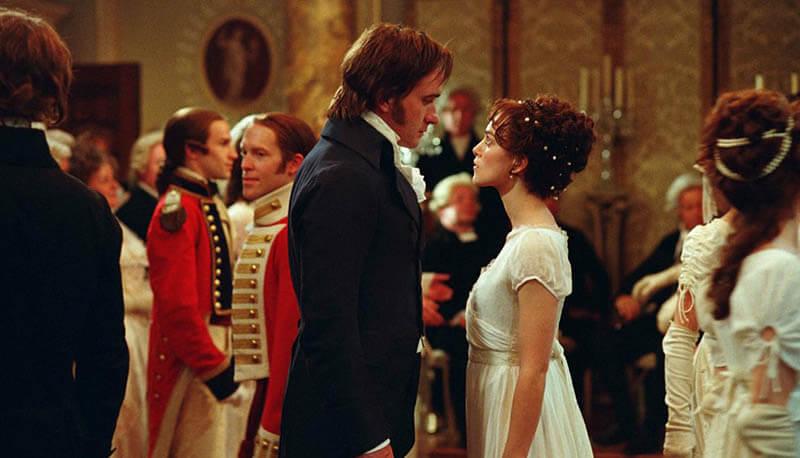
Pride and Prejudice is set in Longbourn where Mr. and Mrs. Bennet live with their five daughters: Jane, Elizabeth, Mary,Lydia and Kitty. One day a rich bachelor, Charles Bingley, rent a estate in the neighborhood. After a series of balls and parties Mr. Bingley falls in love with Jane and his friend Mr. Darcy with Elizabeth. The story is about their love and the difficulties that have to challenge with. The main characters are Mr. Darcy and Elizabeth who have great qualities but also great weakness (hero and heroine). During the novel she accuses him of pride and he accuses her of prejudice, but they also works in reverse. The novel involves both characters in a journey towards self-awareness and self–knowledge. Jane Austen use in her style irony, maybe to indirectly criticize modern society, third person narration (first person narration in many letters) and dialogues often quoted directly.
Domande da interrogazione
- How did Jane Austen's family environment influence her writing career?
- What challenges did Jane Austen face in publishing her works?
- How did Jane Austen's style reflect the influence of 18th-century novelists?
- What themes are prevalent in Jane Austen's novels, and how do they relate to her personal beliefs?
- How does "Pride and Prejudice" exemplify Jane Austen's literary style and thematic focus?
Jane Austen's family played a significant role in her development as a writer. Her father, George Austen, supported her talent by providing educational resources and a writing desk, while her mother, Cassandra Leigh, contributed to her humanistic education. The family's practice of performing plays at home also enriched her literary environment.
Jane Austen faced challenges in publishing her works, as evidenced by her father’s unsuccessful attempt to have the first version of "Pride and Prejudice" published by editor Thomas Cadell in 1797.
Jane Austen's style was influenced by 18th-century novelists like Swift and Defoe, from whom she learned character psychology. Her writing is characterized by irony and open interpretation, focusing on love and marriage within the societal norms of her time.
Jane Austen's novels often explore themes of love, marriage, and social values, reflecting her belief in common sense and moral principles. She viewed love as an impulse that should be controlled through reflection, which is evident in her characters' journeys towards self-awareness.
"Pride and Prejudice" exemplifies Austen's style through its use of irony, third-person narration, and direct dialogue. The novel focuses on love and societal roles, with characters like Mr. Darcy and Elizabeth undergoing journeys of self-awareness, highlighting themes of pride and prejudice.



 Accedi a tutti gli appunti
 Tutor AI: studia meglio e in meno tempo


