


Concetti Chiave
- The Victorian era was marked by a stark economic and social divide, known as the Victorian Compromise, between the upper and poorer classes.
- Victorian society attempted to conceal major issues like unemployment and poor hygiene, emphasizing family values and viewing women as "angels of home."
- This period highlighted hypocrisy through a societal code of respectability, while literature reflected the dualism of respectability and hidden vices.
- Mystery and crime novels, such as Wilde's "The Picture of Dorian Gray" and Stevenson's "Dr. Jekyll and Mr. Hyde," showcased the struggle between a person’s good and evil sides.
- The symbolic representation of good and evil in novels mirrored societal issues, illustrating the impossibility of separating these aspects without destructive consequences.
Indice
The economic and social dichotomy
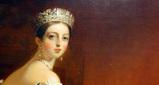
The Victorian age had on the English people not only an economical dichotomy, but also a social between the upper classes and the poorer classes. Also known as the Victorian Compromise, the English society was split into two but with an attempt of hiding all the biggest social problems such as unemployment, prostitution, juvenile exploitation, unbearable hygienic conditions. The morality supported by Queen Victoria herself, a Puritan faith-following woman, celebrated the triumph of the family model, where woman were considered "angels of home" and sez a taboo. This situation gave birth in the upper society to a code of respectability but it accentuated hypocrisy.
Literature and dualism
This dualism between respectability, the clearer side, the facade of a gentleman, and hypocrisy, the darkest and most mysterious side was reflected on the literally production of the Victorian Age. Mystery novels and Crime novels were the most popular types of novel at the time. Oscar Wilde's novel "The portrait of Dorian Gray" and Stevenson's "The strange case of Dr.Jekyll and Mr.Hyde" are the best examples of this content. In both novels there is an attempt to separate clearly good from evil side of the same man. For example, Dorian Gray transfers all of his physical decadence of aging into the portrait and Dr.Jekyll drinks a serum. Following both stories the evil part takes control over the good part bringing the character into a destructive and draining way to death.
Symbolic representations and acceptance
The symbolical representations of those sides of man are the reflection of them in society but inside this explanation there is the answer: there is none. The man or the Victorian society has to accept this union between good and evil with a compromise, known as the Victorian Compromise. All the attempts in novels to separate these themes lead the characters to death, and in society this is absolutely impossible.
Domande da interrogazione
- What was the Victorian Compromise and how did it affect English society?
- How did Victorian literature reflect the dualism present in society?
- What is the symbolic significance of the dualism in Victorian novels, and what does it suggest about society?
The Victorian Compromise was a societal split between the upper and poorer classes, characterized by an attempt to conceal major social issues like unemployment and juvenile exploitation. It emphasized a moral code of respectability, supported by Queen Victoria, which led to increased hypocrisy within society.
Victorian literature mirrored the societal dualism of respectability and hypocrisy through mystery and crime novels. Works like Oscar Wilde's "The Portrait of Dorian Gray" and Stevenson's "The Strange Case of Dr. Jekyll and Mr. Hyde" explored the separation of good and evil within individuals, ultimately leading to the characters' downfall.
The dualism in Victorian novels symbolizes the inherent good and evil within individuals and society. The narratives suggest that attempts to separate these aspects are futile, as seen in the destructive outcomes for characters, reflecting the societal need to accept this union as part of the Victorian Compromise.




 Accedi a tutti gli appunti
 Tutor AI: studia meglio e in meno tempo


