


Concetti Chiave
- Jane Austen was a prominent Romantic novelist, celebrated for her ironic and precise portrayal of middle-class country life.
- Her six novels, known as "novels of manners," explore personal and social relationships, focusing on women's roles and marriage in the 18th and 19th centuries.
- Austen's character portrayals avoid moralizing, offering second chances and highlighting different types of women, such as in "Sense and Sensibility."
- Her writing style is marked by irony, parody, and caricature, critiquing both upper-class hypocrisy and literary norms of her time.
- Frequent use of indirect speech and concise dialogues enriches her narratives, balancing dramatic and ironic elements, and giving voice to minor characters.
Indice
Jane Austen's background
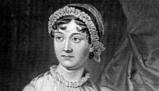
Jane Austen was one of the most important novelist of the Romantic age. She wrote for her pleasure, describing the middle class country life of her time; she describes it with great irony and witty and accuracy, using a clear and precise style. She went to school for some years but her education was completed at home; she came in contact with classics but also with contemporary works. Her life was quiet and uneventful. She always preferred leaving in the country. Her family was her first public and they encouraged her.
Themes in Austen's novels
Jane wrote six novels. Her novels have been defined as “novels of manners” since she was interested in the ways of living, in personal and social relationships of the country gentry. Her most important characters are mainly women who can be seen as types, as symbols of the restrictions of women’s position in the 18th and 19th century.A practical and social behavior is necessary for a happy and successful life.
The idea of good marriage is one of the main worries of the heroines’ mothers, the right husband has to be chosen according to his wealth and social position, but the marriage must be based on mutual understanding. Feelings are very important but not the excess of passion.
Character portrayal and criticism
She never moralizes about her characters, she never condemns the bad ones to terrible ends, but she suggests that they are not going to have good marriages and happy life. She always gives a second chance. In “Sense and Sensibility”, her first novel written when she was 21, she shows her ability in creating living characters, in the description of the two sisters that represent different types of women: the one passionate and the other rational. In “Pride and Prejudice”, Elizabeth represents Austen’s idea of woman, already expressed in “Northanger Abbey”, where she satires the Gothic novel, popular at that time.Jane Austen has always been criticized for the provincialism of her works, but she has always been enjoyed by her readers since the publication of her works. She might be seen as one of the “Augustans”, even though she lived in later age.
Jane Austen’s writing style
J. Austen’s style is characterized by the frequent use of irony, parody and caricature with which she criticizes the upper class and how hypocrite it is but also the structure of the literature of her time. For example, in Northanger abbey, she writes an improbable plot while she highlights the rigidity of the rules of the gothic novel and how this kind of narration distorts women’s lives and role in the society.J. Austen also uses a lot the indirect speech. As a matter of fact, her novel are rich of dialogues that enliven the narration more than the descriptions and chronicles.
Dialogues mix continuously with the voice of the narrator and they express a summary of the conversations and character’s thoughts.
In this way, the dramatic elements and the ironic ones are balanced.
Dialogues are short and essential as well as symmetric. This creates an effect of realism and a rhetoric instrument that allows also the minor characters to have a strong voice and personality.
Domande da interrogazione
- What are the key themes explored in Jane Austen's novels?
- How does Jane Austen's writing style contribute to the realism and irony in her novels?
Jane Austen's novels, often termed "novels of manners," focus on the personal and social relationships of the country gentry, particularly highlighting the restrictions on women's positions in the 18th and 19th centuries. Themes include the importance of practical and social behavior for a successful life and the concept of a good marriage based on mutual understanding rather than just wealth and social status.
Austen's style is marked by irony, parody, and caricature, often critiquing the upper class and the literary norms of her time. She uses indirect speech and rich dialogues that mix with the narrator's voice, balancing dramatic and ironic elements. This creates realism and allows even minor characters to have strong voices and personalities.




 Accedi a tutti gli appunti
 Tutor AI: studia meglio e in meno tempo


