


Concetti Chiave
- Modernism, a literary movement in the early 20th century, aimed to break from traditional forms using techniques like stream of consciousness and interior monologue.
- James Joyce and Virginia Woolf are key figures in modernism, each employing the interior monologue differently: Joyce's characters' thoughts are incoherent, while Woolf's are grammatically structured.
- Joyce often uses the first person in his narrative, whereas Woolf prefers the third person, reflecting a distinct approach to character perspective.
- Both authors incorporate the philosophical concept of time, distinguishing between historical time and psychological time in their works.
- Joyce's epiphanies and Woolf's moments of being reveal deeper realities beyond superficial appearances in their narratives.
Joyce e Woolf: similarities and differences
Ecco un confronto Woolf vs Joyce in lingua inglese.During the first decades of the 20th century was developed the modernism, a new literary movement which wanted to break whit the previous form and explored the characters’ psyches through the techniques of the stream of consciousness and the interior monolog. They are often considered the same thing but they are different because the interior monolog is the verbal expression of a psychological phenomenon, while the stream of consciousness is the psychological phenomenon itself. The techniques and main characteristics of modern novel are developed by James Joyce and Virginia Woolf.
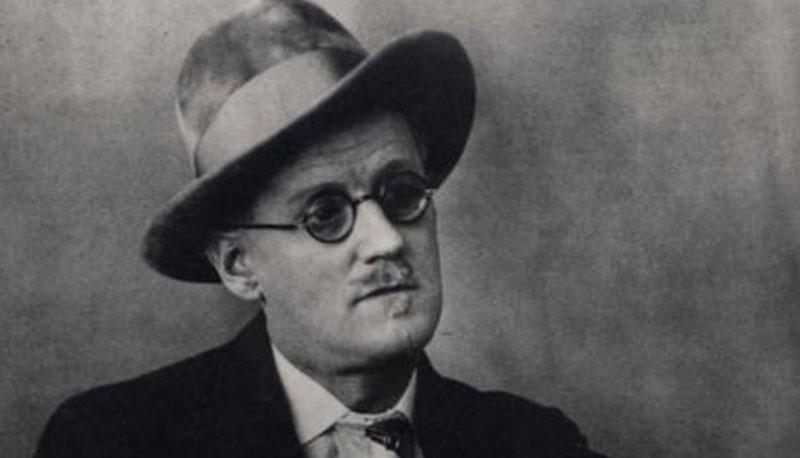 They are considered the greatest exponents of the modernism, but it’s possible to make a distinction between their literary production.
Both Joyce and Woolf use the narrative technique of the interior monolog, but there is a difference between the way in which it’s used: Joyce’s characters show their thoughts in an incoherent way and the author sometimes use a syntactically wrong way, like for example in “Ulysses”, where the interior monolog expresses characters’ inner life and their psyche; instead, Virginia Woolf never lets her characters’ thoughts flow without control and she maintains grammatical structure of sentences; in addition to that, in her works, like for example “Mrs Dalloway”, Virginia Woolf doesn’t use the interior monolog to describe characters’ psyche, but to express characters’ emotions. Moreover, Joyce utilizes the first singular person, instead Woolf uses the third singular person.
In their works, Joyce and Woolf introduce the new conception of time developed by the philosophers James and Bergson. They make a distinction between historical time, external, linear and objective, and the psychological time, internal and subjective. Finally, the epiphany’s technique used by Joyce is similar to Woolf’s moments of being, moments during the characters can see reality behind appearances.
Domande da interrogazione
- How do Joyce and Woolf differ in their use of the interior monologue technique?
- How do Joyce and Woolf incorporate the concept of time in their literary works?
Joyce's characters express their thoughts incoherently and sometimes with syntactical errors, as seen in "Ulysses," to reflect their inner life and psyche. In contrast, Woolf maintains grammatical structure and uses the interior monologue to express characters' emotions, not just their psyche, as in "Mrs Dalloway."
Both authors introduce the distinction between historical time, which is external and linear, and psychological time, which is internal and subjective, reflecting the philosophical ideas of James and Bergson.



 Accedi a tutti gli appunti
 Tutor AI: studia meglio e in meno tempo


