


Concetti Chiave
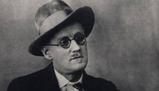
- Joyce and Svevo, renowned 20th-century novelists, shared a significant friendship, with Joyce known for stream of consciousness and Svevo for autobiographical narration.
- Both authors explore themes of human illness, featuring "inetto" in Svevo's work and paralyzed characters in Joyce's, who are aware but unable to act.
- Joyce employs a language of the mind with no syntactical rules, while Svevo uses a more colloquial language with regular syntax, presenting characters internally.
- Modern novels are characterized by stream of consciousness, analysis of the human mind, and a blend of past, present, and future, without a didactic purpose.
- Joyce's interior monologue is unconventional with lack of punctuation, whereas Woolf's is traditional, controlling thoughts without puns or missing punctuation.
What are some famous novelists and their friendship?
They are two of the most famous novelists of the 20th century. They were friends for a long period of their life. Joyce was an Irish man while Svevo was an Italian novelist. In his novels Joyce used the “stream of consciousness” that is the continuous flow of thoughts and sensations that characterizes the human mind while Svevo used the autobiography so the main character is also the narrator of the events of his life. In both the main theme is the illness of man so the main characters are the “inetto” in Svevo and the “paralyzed man” in Joyce, who is conscious of his situation, but incapable to react, to overcome the limits and to “escape” (one of the main example in Eveline who lives a physical and moral paralysis). In Svevo the language is colloquial with a regular syntax while in Joyce there’s the language of the mind, so there aren’t syntactical rules because past, present and future coexist in character’s mind. In both the characters are presented from inside.
Modern novel features and differences
All the main similarities between this two authors refer to the main features of the modern novel in particular the stream of consciousness, no teaching aim, the analysis of the human’s mind, the impersonality of the artist, the mix of past present and future and no realism. But the main difference is referred to the different narrative technique based on the interior monologue: with Joyce this monologue is unconventional and a revolutionary prose in fact we can find lack of punctuation, the presence of slang, foreign words; but with Virginia Woolf the interior monologue is more traditional so thoughts are not presented directly but with her control and so we have no puns and no lack of punctuation. Another difference is referred to Woolf’s moments of being and Joyce’s epiphany: the first are rare moments of insight during the characters’ daily life when they can see reality behind the appearances (like the Pirandello’s mask); the second is a sudden self-realization that is caused by a banal situation, a common gesture or everyday object.
Domande da interrogazione
- How did James Joyce and Italo Svevo's writing styles differ in their portrayal of characters?
Joyce used the "stream of consciousness" technique, presenting characters' thoughts and sensations without syntactical rules, while Svevo employed an autobiographical approach with a colloquial language and regular syntax. Both authors focused on themes of human illness, with Joyce's characters often depicted as "paralyzed" and Svevo's as "inetto."





 Accedi a tutti gli appunti
 Tutor AI: studia meglio e in meno tempo


