


Concetti Chiave
- Charles Dickens experienced a challenging childhood, marked by his father's imprisonment and his own traumatic time in a workhouse, influencing his later works.
- His early novels, like "Oliver Twist," are known for their social denunciations, while later works, such as "Great Expectations," are more balanced and focus on personal development.
- While Dickens critiqued society, he didn't advocate for revolutionary change; instead, his narratives often resolved issues through moral lessons and benevolent benefactors.
- His storytelling is characterized by melodrama and sentimentalism, often exaggerating situations to evoke emotional responses from readers.
- Characters in Dickens' novels tend to be exaggerated and fixed in their roles, with a focus on lower-middle-class individuals, often depicted with humor and irony.
Childhood and Early Career
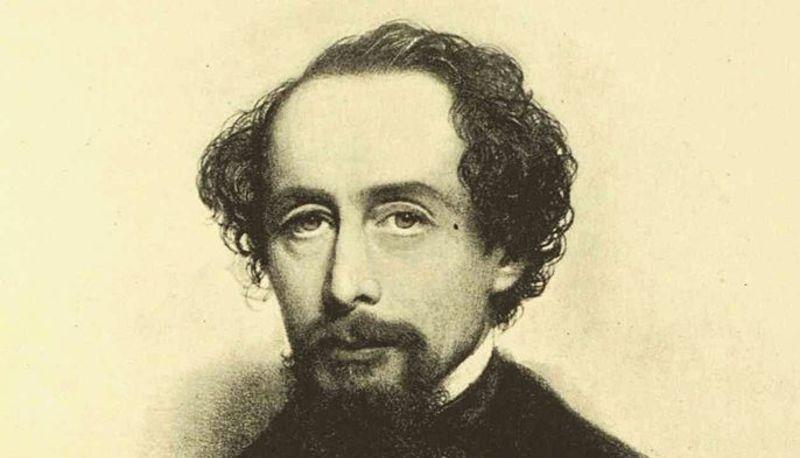
He was born in 1812 in Port Mouth. His father was imprisoned for debts and he was sent to a work-house. This was a traumatic experience for him than he went back to school and became a parliamentary reporter and then a journalist. He published novels on newspapers. The first part of his productions are novels with social denouncements (Oliver Twist), that are not balanced. The second part: Great expectations, that is a self-developing novel. It is balanced.
Pickwick paper, Oliver Twist, Christmas books, David Copperfield, Bleak house, Hard time, Great expectations
1.
Social Criticism and Moral Solutions
Social criticism: He was not a revolutionary but he was a full-Victorian. He doesn’t try to change reality, the problems remain unresolved. At the end there is a paternal revolution (there is the intervention of a generous rich man, a benefactor). The solution is not political, but moral: the good persons are rewarded and bad ones are punished.
2.
Melodrama and Sentimentalism
His novels are full of melodrama and sentimentalism and some situations are exaggerated in order to move the reader to tears.
3. Humour and comic episodes. The social problems are presented with irony.
4. Characters are not a-tutto-tondo. Fixed types (ex. If one is evil remain evil). Defects are exaggerated. Most of Dickens’ characters belong to the lower-middle class. The characters of other social classes are less secure and more stereotyped.
This title is significant because Pip is waiting that his courage, his loyalty will be rewarded.
Domande da interrogazione
- What were some key influences on his early life and career?
- How does social criticism manifest in his novels?
- How are characters typically portrayed in his works?
Born in 1812 in Port Mouth, his father's imprisonment for debts led to a traumatic experience in a work-house. He later returned to school, became a parliamentary reporter, and then a journalist, eventually publishing novels in newspapers.
His novels feature social criticism without revolutionary change, focusing on moral solutions where good characters are rewarded and bad ones punished, often through the intervention of a generous benefactor.
Characters are often fixed types with exaggerated defects, primarily from the lower-middle class, while those from other social classes are more stereotyped and less secure.



 Accedi a tutti gli appunti
 Tutor AI: studia meglio e in meno tempo


