


Concetti Chiave
- The Celts were a group of tribes unified by language, religion, and culture, emerging in the eighth century BC.
- They were pioneers in technology, introducing iron use, shoeing horses, and creating tools still in use today.
- Celtic art was unique, merging reality and fantasy with an eclectic style, and time was measured in nights rather than days.
- Religion played a key role with Druids having significant political influence and maintaining traditions across tribes.
- Celtic influence declined after Julius Caesar's Gallic wars, with their languages surviving in parts of Ireland, Scotland, Wales, and Brittany.
This description is about the Celts, their culture, their traditions and their colony.
They were a group of related tribes, linked by language, religion and culture which emerged in the eighth century BC. Their particularity is that they were energetic and most inventive, in fact they introduced the use of iron, were the first shoe horses and give shape to a lot of tools we use today.
Innovations and Celtic Art
Celts measured time not in days but in nights and divided months into a bright half and a dark half; this singleness was also seen in their art, which has a great importance and they created an art style of uncanny beauty. An eclectic and ambivalent form of art which transcends the bounds between reality and fantasy.
Another bond in Celtic society was religion: each tribe had its local deities and cults, but they had much in common. Druids he made a lot of things: he exercised great political influence, conserved traditions, et cetera.
Celt’s realm stretched from the
Decline and Survival
Julius Caesar’s Gallic wars marked the beginning of the end for Celtic hegemony across the continent; Celtic languages survive in modern forms on some areas of Ireland, Scotland, Wales and Brittany because they were not occupied by the Romans.
The biggest non-event in Irish history is that the Romans never got there. 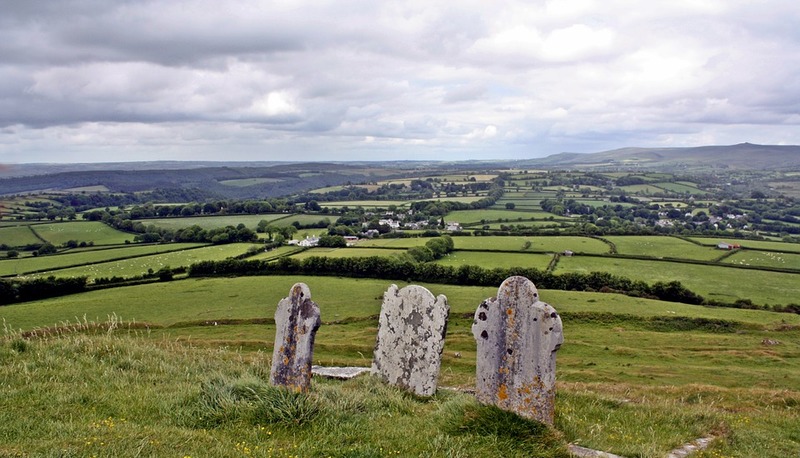 When the Vikings stormed ashore they built their own and lived apart and the Anglo-Normans came and built castles.
So there were two Irelands: Gaelic Ireland in the countryside and Anglo-Norman in the towns.
The old Celtic society persisted down to the 17th century, when Cromwell’s army conquered the island. Many facts happened: the potato famine of the 1840’s then halved
Domande da interrogazione
- What were some of the key innovations introduced by the Celts?
- How did the Celts perceive and measure time, and how did this influence their art?
- How did the Celtic society and language manage to survive despite Roman and later invasions?
The Celts were known for their energetic and inventive nature, introducing the use of iron, shoeing horses, and creating many tools still in use today.
The Celts measured time in nights rather than days, dividing months into a bright and dark half. This unique perception of time was reflected in their art, which was eclectic, ambivalent, and transcended the bounds between reality and fantasy.
Celtic languages survived in areas like Ireland, Scotland, Wales, and Brittany, which were not occupied by the Romans. The persistence of Gaelic Ireland in the countryside, despite the Anglo-Norman presence in towns, helped maintain Celtic society until the 17th century.



 Accedi a tutti gli appunti
 Tutor AI: studia meglio e in meno tempo


