


Concetti Chiave
- Samuel Taylor Coleridge was a key figure in the Romantic movement, known for his imaginative poetry and profound philosophical ideas.
- Coleridge significantly influenced literary criticism through his lectures on Shakespeare and exploration of aesthetic theory and imagination.
- His concept of "willing suspension of disbelief" has had a lasting impact on literary analysis, encouraging immersion in artistic worlds.
- "Biographia Literaria" is a major work that combines autobiography with critical exploration of literature and philosophy.
- Despite personal struggles with addiction, Coleridge produced notable works like "Kubla Khan" and collaborated with Wordsworth on "Lyrical Ballads."
Coleridge's role in the romantic movement
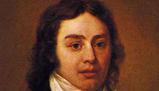
Samuel Taylor Coleridge was an English poet, philosopher, and literary critic who played a significant role in the Romantic movement. Born in 1772 in Devon, England, Coleridge is best known for his lyrical and imaginative poetry, as well as his profound philosophical ideas.
Coleridge's most famous poem, "
In addition to his poetry, Coleridge was a highly influential literary critic. He wrote extensively on Shakespeare, producing a series of lectures and essays that helped shape the modern understanding and appreciation of Shakespeare's plays. His lectures on literature and philosophy, delivered in the early 19th century, were also influential in their exploration of aesthetic theory and the nature of the imagination.
Philosophical ideas and literary impact
Coleridge's philosophical ideas, particularly his theory of the "willing suspension of disbelief," have had a lasting impact on literary criticism. He argued that readers or audiences should temporarily set aside their rational skepticism and immerse themselves in the imaginative world created by the artist. This concept has been widely embraced and applied in the study and analysis of literature and other art forms.
Biographia Literaria and its significance
One of Coleridge's major prose works is "Biographia Literaria," published in 1817. It is both an autobiography and a critical exploration of literature and philosophy. In this work, Coleridge delves into subjects such as the nature of poetic inspiration, the relationship between imagination and reason, and the role of the artist in society. "Biographia Literaria" remains a significant text in the field of literary criticism.
Personal struggles and notable works
Coleridge's personal life was marked by struggles with addiction and health issues. He became dependent on opium, which had a detrimental effect on his productivity and well-being. Nevertheless, he continued to produce notable works, including "Kubla Khan" and "Christabel," both of which are highly regarded for their evocative imagery and imaginative power.
Coleridge's friendship and collaboration with Wordsworth, along with their joint efforts in the creation of the "Lyrical Ballads," marked a significant turning point in English poetry. Together, they sought to bring a new poetic language and subject matter that reflected their belief in the power of
Legacy in English literature
Coleridge's contributions to English literature and literary criticism continue to be celebrated and studied today. His poems and critical writings remain influential, and his ideas on the imagination, symbolism, and the supernatural have had a profound impact on subsequent generations of poets and thinkers. Samuel Taylor Coleridge remains an important figure in the Romantic movement and a key figure in the history of English literature.
Domande da interrogazione
- What role did Samuel Taylor Coleridge play in the Romantic movement?
- How did Coleridge contribute to the understanding of Shakespeare's plays?
- What is the significance of Coleridge's concept of the "willing suspension of disbelief"?
- What are some of Coleridge's notable works and their impact on literature?
Samuel Taylor Coleridge was a pivotal figure in the Romantic movement, known for his lyrical and imaginative poetry, as well as his influential philosophical ideas and literary criticism.
Coleridge significantly shaped the modern appreciation of Shakespeare through his extensive lectures and essays, which explored aesthetic theory and the nature of imagination.
Coleridge's concept of the "willing suspension of disbelief" encourages audiences to set aside skepticism and fully engage with the imaginative world of art, a principle that has greatly influenced literary criticism.
Despite personal struggles, Coleridge produced notable works like "Kubla Khan" and "Christabel," known for their evocative imagery. His collaboration with Wordsworth on "Lyrical Ballads" marked a turning point in English poetry, emphasizing new poetic language and subject matter.



 Accedi a tutti gli appunti
 Tutor AI: studia meglio e in meno tempo


