


Concetti Chiave
- The poem explores the relentless passage of time through vivid imagery and metaphors.
- Shakespeare uses contrasting images of day and night to symbolize youth and old age.
- The sonnet suggests that beauty and vitality are inevitably lost to time's progression.
- The final couplet proposes procreation as the only defense against time's destructive power.
- The imagery evolves from a simple clock to complex metaphors of death and renewal.
When I do count the clock that tells the time,
And see the brave day sunk in hideous night;
When I behold the violet past prime,
And sable curls, all silver'd o'er with white;
When lofty trees I see barren of leaves,
Which erst from heat did canopy the herd,
And summer's green all girded up in sheaves,
Borne on the bier with white and bristly beard;
Then of thy beauty do I question make,
That thou among the wastes of time must go,
Since sweets and beauties do themselves forsake,
And die as fast as they see others grow;
And nothing 'gainst Time's scythe can make defence
Save breed, to brave him when he takes thee hence.
In the first quatrain:
- Time rappresent the nature
- The day rappresent tha young people
- The night rappresent the old people

The passage of time
The sonnet's meaning is contained, as is usual in Shakespeare, in the final rhymed couplet: nothing can oppose time's destructive power except marriage and procreation. 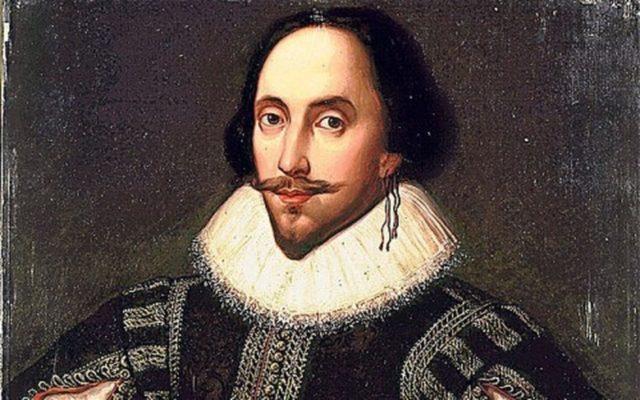 The first two "When"-quatrains describe the passing of time in a progression that from the image of the clock-dial in line 1 reaches the more elaborate metaphor of lines 7-8. The images became images of death for the passing of time. To counteract death's levelling action, anex life needs to be created.
Domande da interrogazione
- What is the central theme of the sonnet?
- How does the sonnet illustrate the passage of time?
- What metaphor is used to describe the inevitability of time's effects?
The central theme of the sonnet is the inevitable passage of time and its destructive power, which can only be countered by procreation, as highlighted in the final rhymed couplet.
The sonnet illustrates the passage of time through vivid imagery, starting with the clock and progressing to images of nature's decay, such as the day turning to night and trees losing their leaves, symbolizing the transition from youth to old age.
The metaphor of "Time's scythe" is used to describe the inevitability of time's effects, emphasizing that nothing can defend against time's destructive power except for the continuation of life through procreation.




 Accedi a tutti gli appunti
 Tutor AI: studia meglio e in meno tempo


