


Concetti Chiave
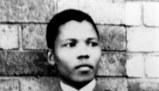
- Nelson Mandela was born on 18th July 1918 and was the first in his family to attend school, where he was given the English name 'Nelson'.
- During Mandela's early life, South Africa was under the apartheid regime, which enforced racial segregation, making life difficult for black people.
- Mandela's political involvement began with the African National Congress (ANC), initially advocating non-violent protest against apartheid.
- Following his 1956 arrest for treason, Mandela concluded that non-violent protest was insufficient, leading to his leadership of the ANC's armed wing in 1961.
- Mandela was imprisoned for 27 years, becoming a global symbol of resistance, and was released in 1990, marking a turning point in the fight against apartheid.
Indice
Early Life and education
Nelson Mandela was born Rolihlahla Mandela on 18th July, 1918. He was the first person in his family to go to school, where his teacher gave him the English name ‘Nelson’. During this time, the National Party, which enforced a policy of racial segregation known as ‘apartheid’, was in power in South Africa. This policy made life extremely difficult for black people, relegating them to second-class citizenship.Political Awakening and ANC Involvement
After completing his university education, Mandela moved to Johannesburg, where he became actively involved in the opposition movement against apartheid, the African National Congress (ANC). Initially, the ANC advocated for non-violent forms of protest.Shift to armed struggle
However, Mandela's arrest in 1956 alongside 150 others on charges of treason led him to conclude that non-violent protest alone would not suffice to combat the oppressive regime. By 1961, he had assumed leadership of the ANC's armed wing, Umkhonto we Sizwe (Spear of the Nation), and began planning for guerrilla warfare as a means to end apartheid.Imprisonment and global symbol of Resistance
Mandela was arrested again in August 1962 and spent the subsequent twenty-seven years in prison, with a significant portion of this time on Robben Island under harsh conditions. Despite the limited contact with the outside world, Mandela's resolve in the fight against apartheid turned him into a global symbol of resistance for freedom and equality.Release and global recognition
The relentless pressure from international politicians, activists, writers, and artists eventually led to Mandela's release on 2nd February 1990, an event that was broadcast live to audiences worldwide. Mandela's walk to freedom marked a pivotal moment in the struggle against apartheid and his enduring legacy as a champion for justice and equality.Death of Nelson Mandela
Nelson Mandela, a man who fought against apartheid and for the rights of his fellow citizens, passed away on December 5, 2013, at the age of 95. His death was an event that left an indelible void worldwide. The South African leader is remembered as a just man who battled for human rights and against all forms of discrimination. Even today, he is regarded as a symbol in the fight against every form of racism and inequality.Domande da interrogazione
- How did Nelson Mandela's early life and education influence his role in the fight against apartheid?
- What led Nelson Mandela to shift from non-violent protest to armed struggle in the fight against apartheid?
- How did Nelson Mandela become a global symbol of resistance during his imprisonment?
Nelson Mandela was the first in his family to attend school, where he received the English name 'Nelson'. Growing up during the apartheid era, which enforced racial segregation, Mandela experienced the harsh realities of second-class citizenship for black people, shaping his resolve to oppose such injustices.
Mandela's arrest in 1956 on charges of treason convinced him that non-violent protest was insufficient against the oppressive apartheid regime. By 1961, he led the ANC's armed wing, Umkhonto we Sizwe, planning guerrilla warfare to end apartheid.
Despite spending 27 years in prison under harsh conditions, Mandela's unwavering commitment to fighting apartheid turned him into a global symbol of resistance. His eventual release in 1990, after international pressure, marked a pivotal moment in the struggle for justice and equality.




 Accedi a tutti gli appunti
 Tutor AI: studia meglio e in meno tempo


