


Concetti Chiave
- The poem narrates an encounter between a knight and a mysterious fairy, highlighting the knight's desolate state and enchantment.
- The knight experiences a vision of pale kings and princes, warning him that he is under the fairy's spell, leaving him in a state of lingering despair.
- Despite its brevity, the poem is rich in enigmas, with the knight's association with death imagery suggesting his own demise.
- The poem allows for multiple interpretations, including the knight being entrapped by the fairy or being punished for wronging her.
- The poem's intent is debated, whether as a straightforward tale or an evocation of emotion without a clear moral lesson.
Meeting with the Mysterious Fairy
The poem describes the encounter between an unnamed knight and a mysterious fairy. It opens with a description of the knight in a barren landscape, "haggard" and "woe-begone". He tells the reader how he met a beautiful lady whose "eyes were wild"; he set her on his horse and they went together to her "elfin grot", where they began to make love. Falling asleep, the knight had a vision of "pale kings and princes", who warn him that "La Belle Dame sans Merci hath thee in thrall!" ( The Lady without pity has you in her charm !). He awoke to find himself on the same "cold hill's side" where he is now "palely loitering".
Puzzles and Interpretations
Although La Belle Dame Sans Merci is short (only twelve stanzas of four lines each, with an ABCB rhyme scheme), it is full of enigmas. Because the knight is associated with images of death — a lily (a symbol of death in Western culture), paleness, "fading", "wither[ing]" — he may well be dead himself at the time of the story. 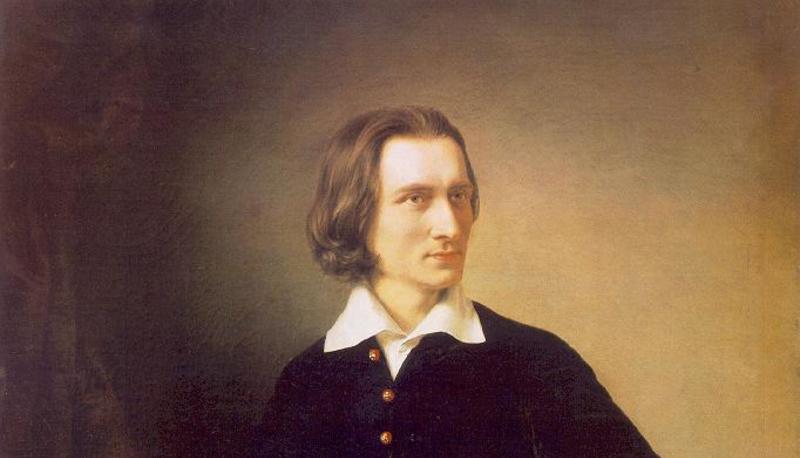 He is clearly doomed to remain on the hillside, but the cause of this fate is unknown. A straightforward reading suggests that the Belle Dame entraps him, along the lines of tales like Thomas the Rhymer or Tam Lin. More recent feminist commentators have suggested that the knight in fact raped the Belle Dame, and is being justly punished — this is based on textual hints like "she wept, and sigh'd full sore". Ultimately, the decision comes down to whether Keats wrote the poem as a simple story, or as a story with a moral: given his other work, this may be more an evocation of feeling than an intellectual attempt at moralising.
Domande da interrogazione
- What is the central encounter described in the poem "Meeting with the Mysterious Fairy"?
- What are some interpretations of the knight's fate in the poem?
- How does the poem's structure contribute to its themes?
The poem describes an encounter between an unnamed knight and a mysterious fairy, where the knight meets a beautiful lady with "wild" eyes, takes her to his horse, and they go to her "elfin grot" where they make love. He later has a vision of "pale kings and princes" warning him of the lady's charm, and he awakens alone on a "cold hill's side."
The knight's fate is enigmatic, with interpretations suggesting he is doomed to remain on the hillside due to the Belle Dame's enchantment. Some suggest he may be dead, as indicated by imagery of death like "paleness" and "wither[ing]." Feminist interpretations propose the knight may have wronged the Belle Dame, leading to his punishment.
The poem's structure, consisting of twelve stanzas with an ABCB rhyme scheme, enhances its enigmatic and haunting quality. This concise form allows for a rich exploration of themes like enchantment, doom, and moral ambiguity, leaving room for various interpretations of the knight's encounter and fate.



 Accedi a tutti gli appunti
 Tutor AI: studia meglio e in meno tempo


