


Concetti Chiave
- Andreas Pum returns from WWI as an amputee with a medal, maintaining faith in God and authority.
- He marries a widow, Katharina, and earns a living by playing a barrel-organ, embodying a simple and docile life.
- An argument on a tram costs Andreas his organ license, triggering a series of personal and social downfalls.
- Imprisoned after an altercation with an official, Andreas ages rapidly and becomes consumed by bitterness.
- Joseph Roth's novel "Rebellion" offers a sharp critique of postwar society through a blend of cynicism and fantasy.
The Return of Andreas Pum
When Andreas Pum returns from World War I, he has lost a leg but gained a medal. Unlike his fellow survivors, however, Pum maintains his unswerving faith in God, Government, and Authority. As a matter of fact, he spends most of his life playing sentimental and patriotic tunes on a barrel-organ. Uncomplaining, stupid, and docile, he marries the (very) recently widowed Katharina shortly after having met her, and he settles down for a winter of ignorant bliss.
The Fall of Andreas
Disaster strikes soon after. An argument with another man on a tram leads to blows and, unfortunately for Andreas Pum, the other man belongs to a higher class, and so Pum loses his license to play the barrel-organ.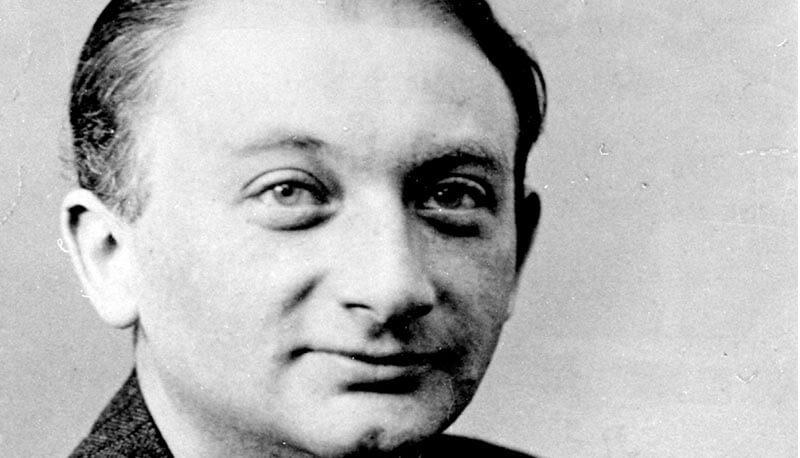 His wife is, of course, furious and takes up with another man, leaving Andreas to sleep on the sofa.
Things get even worse at his trial.
He was fed up by being taken for a rebel -- which he most certainly is not -- but he finds himself in prison after striking an official.
In a magical touch that only Joseph Roth can pull off, he ages terribly in a matter of weeks. Upon his release he seeks out his former roommate, a pimp named Willi, who now runs a business cleaning lavatories. Andreas, older and older, feeble-minded, close to death, and obsessed with the injustice he's suffered, goes to work for Willi, and dies an embittered old man.
Rebellion and Social Commentary
Moving along at a breakneck clip, Rebellion, the last of Joseph Roth's novels to be translated into English, captures the cynicism and upheavals of a postwar society. Its jazz-like cadences mix with trenchant, albeit fantastic, social commentary to create a wise parable about justice and society.Domande da interrogazione
- What is the initial outlook of Andreas Pum upon returning from World War I?
- How does Andreas Pum's life change after an altercation on a tram?
- What themes does Joseph Roth explore in "The Return of Andreas Pum"?
Andreas Pum returns from World War I with a positive outlook, maintaining faith in God, Government, and Authority despite losing a leg. He earns a living by playing a barrel-organ and marries a recently widowed woman, Katharina, settling into a seemingly content life.
Andreas Pum's life takes a downturn after an altercation on a tram with a man of higher social class, resulting in the loss of his license to play the barrel-organ. This incident leads to his wife's departure and further misfortunes, including imprisonment after striking an official.
Joseph Roth explores themes of social injustice, class disparity, and the disillusionment of postwar society. The novel serves as a social commentary on the cynicism and upheavals of the time, using Andreas Pum's tragic story as a parable about justice and societal dynamics.



 Accedi a tutti gli appunti
 Tutor AI: studia meglio e in meno tempo


