


Concetti Chiave
- Shakespeare is synonymous with Elizabethan drama, being the era's most significant playwright despite not being the only one.
- Elizabethan theatre was accessible to all social classes, serving as both entertainment and an educational tool for morality and history.
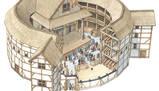
- The structure of Elizabethan stages included a protruding section for audience interaction, an indoor scene area, and an upper stage for elevated scenes.
- Stages were simple, encouraging audience imagination, with creative adaptations like boys playing female roles and minimal props.
- Actors showcased versatility by performing multiple roles, engaging in dance, and creating battle scenes with minimal resources.
Indice
The Importance of Shakespeare
When we talk about drama in England, we immediately think about drama during the Elizabethan period (1533-1603), and, when we speak about drama during the Elizabethan period, we immediately think about William Shakespeare.
Shakespeare wasn’t the only play-writer of that period - in fact he started writing when theatre had already developed into a perfect structure - but surely the most important and a genius in his field.
Elizabethan Theatre
In the Elizabethan theatre everybody could go and see the comedies or tragedies performed: noblemen, poor people, and also those who didn’t know how to read and write. Everyone could have the feeling to belong to the same country.
Theatre has always been very popular in England, much before the Elizabethan period, even if it is in the Elizabethan period that it surely reached fame and splendor: it was not only a source of entertainment but also a way to teach people morality, ethics or history.
During the middle ages for example, before the Elizabethan theatre, there were the so called “morality plays”, that had the duty to teach how to behave.
Then, manly during Renaissance, writers started to write comedies, in imitation of Plautus and other great comedians or play-writers of the past.
But it’s only during the Elizabethan period, with the “university wits”, that English drama reached perfection.
People liked to go see these comedies also because they were funny and amusing.
Structure of the Elizabethan Stage
In the Elizabethan stage there were three sections:
1) The first one protruded at eye level of the spectators, that had to pay one penny to see the play. The noblemen that went to see these plays could sit in surrounding galleries or sit on the stage. Actors could even speak to those around them, that were this way involved in the play.
2) The second section was used for indoor scenes.
3) The third one – the so called upper stage - was used to represent a balcony or a tower.
Creativity and Adaptation of Actors
These stages were poor in their style and simple. This way the audience had to use their imagination. In fact those who went to theaters were ready to accept everything, like Julius Caesar wearing Elizabethan clothes, Ophelia and Juliet played by boys (since women were not allowed to act), several roles played by the same actor, and a bush was enough to turn a room into a forest or a sword to turn a peasant into a soldier.
The actors could easily play a lot of roles, or dance. And two or three of them could recreate the confusion of a battle, being careful not to bore the audience, of course.
Domande da interrogazione
- Why is William Shakespeare considered a significant figure in Elizabethan drama?
- What role did Elizabethan theatre play in society during that period?
- How was the Elizabethan stage structured, and what was its impact on performances?
- How did the simplicity of Elizabethan stages influence the creativity of actors and the audience's experience?
William Shakespeare is regarded as a significant figure in Elizabethan drama because he was a genius in his field and the most important playwright of that period, even though he began writing when theatre had already developed into a perfect structure.
Elizabethan theatre played a crucial role in society as it was a popular form of entertainment accessible to everyone, from noblemen to the illiterate, and served as a medium to teach morality, ethics, and history.
The Elizabethan stage was structured into three sections: a protruding stage at eye level for spectators, a section for indoor scenes, and an upper stage for balconies or towers. This structure allowed for interactive performances and involved the audience directly in the play.
The simplicity of Elizabethan stages required actors to be creative and versatile, often playing multiple roles or using minimal props to transform scenes. This simplicity also encouraged the audience to use their imagination, enhancing their engagement with the performance.




 Accedi a tutti gli appunti
 Tutor AI: studia meglio e in meno tempo


