


Concetti Chiave
- William Blake criticizes London as a city marred by the Industrial Revolution, filled with violence and psychological oppression.
- The poem highlights social issues like child labor and the neglect of societal responsibilities by the church and political powers.
- The lamb symbolizes innocence and purity, representing goodness and the divine nature of God, compared to a child.
- Blake uses the lamb to explore themes of innocence, contrasting it with the corruption of society.
- The tone of the poem transitions from innocence to a more questioning nature, emphasizing the urgency of its themes.
Indice
Blake's view on london
William Blake described London as a horrible city, to demonstrate the see-able consequences of Industrial Revolution.
The repetition of some sounds reinforces the sense of violence which dominated London and the disease between people.
The commercials were attacked by the poet. Society is dominated by commercial interest over nature. There is a metaphor: mind- forg’d manacles which would represent the psychological status of man. He forged with is mind the manacles and they limit his imagination the manacles stand for the cities quacked by industrialization, for ex. he provided London as an awful city.
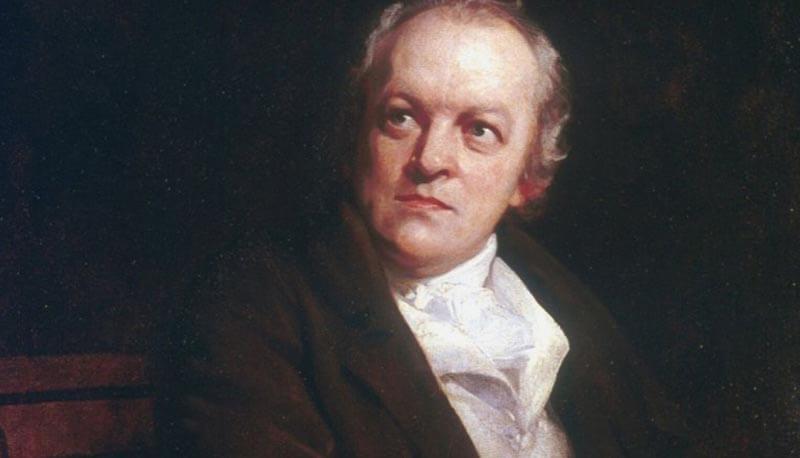
Social issues and consequences
Child chimney sweeper and soldiers. First is an indictment of the indifference of church that had lost the touch. The soldier’s death is on the king’s responsibility and on political powers. The other characters are the prostitute. In the last stanzas was a deal with prostitution, which is victim of lack of job. Another important feature is hears, a word linking marriage to death because the marriage with a prostitute comports the death for venereal illness so the marriage could become funeral hearse. The tone is grave and often is a sign of indignation of the poet regarding the oppressed that is directed to the oppressors.
Symbolism of the lamb
Speaker is the poet. Child and the poet are speaking to a lamb. Poet compared himself to a child, which god was compared to the innocence of a lamb.
In the 1 stanza there are various expression dealing goodness so the real nature of lamb. Various nouns can be grouped in softness, warmness, sweetness, and generosity. There connotations have a positive Quality in commons and the creator appears to be good. The characters are pure not mixed with civil elements and corruption.
In the second stanza it’s the define the Creator. (meek, kind, lamb)
There is a comparison: god was compared with the innocence of a lamb and child. Lamb and child represent innocence, goodness, sweetness.
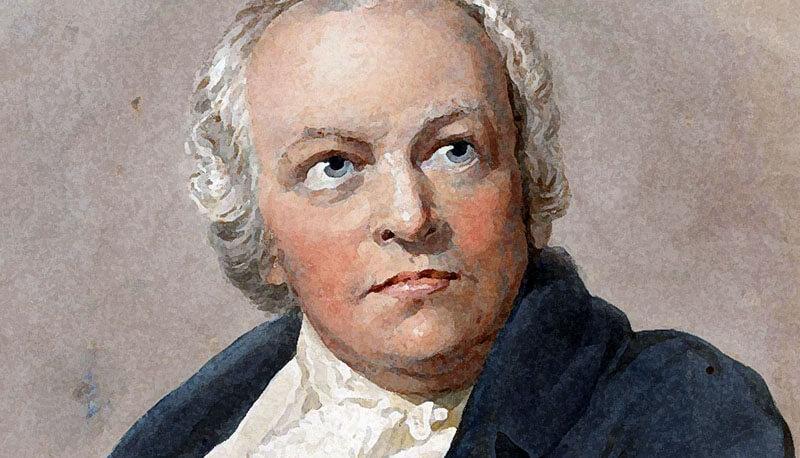
Innocence and purity
The lamb could stand both as a real animal as a symbol of perfect innocence oh childhood (some mental states of soul that the poet loves.) Real is caused by natural setting.
The Symbolism is based on the image of Christ, the Lamb of God, who was personified in human child. The purity was stressed.
The three protagonists (lamb, god and child) have a common element. In first line repetition creates an effect of urgency and energy.
Every sentence of poesy is interrogative to create Kissing rhymes.
The tone: by candid innocence it passes to a wondering one.
Domande da interrogazione
- How does William Blake portray London in his work?
- What social issues does Blake address in his depiction of London?
- What symbolism does Blake use to convey innocence and purity?
- How does Blake's tone shift throughout his work?
William Blake describes London as a horrible city, highlighting the visible consequences of the Industrial Revolution. He uses repetitive sounds to emphasize the violence and disease prevalent in the city, criticizing the dominance of commercial interests over nature.
Blake addresses several social issues, including the indifference of the church towards child chimney sweepers, the responsibility of political powers for soldiers' deaths, and the plight of prostitutes due to lack of employment. He links marriage to death through venereal disease, expressing indignation towards the oppressors.
Blake uses the symbolism of the lamb to convey innocence and purity, comparing it to a child and God. The lamb represents perfect innocence and goodness, drawing parallels to Christ, the Lamb of God, and emphasizing the purity of these figures.
Blake's tone shifts from candid innocence to a more wondering one. He uses interrogative sentences and kissing rhymes to create a sense of urgency and energy, reflecting his deep concern and questioning of the societal issues he observes.



 Accedi a tutti gli appunti
 Tutor AI: studia meglio e in meno tempo


