


Concetti Chiave
- The Romantic period emphasized the cult of the individual, epitomized by the Byronic Hero, a mysterious, proud, and melancholic figure found in Byron's works.
- Byron's portrayal of the Byronic Hero includes autobiographical elements, reflecting his own image as a rebellious, non-conformist exile with a complex personal history.
- The Byronic Hero's traits, such as charisma, rebelliousness, and a sense of guilt, are partly inspired by literary figures like Milton's Satan in "Paradise Lost".
- Milton's Satan in "Paradise Lost" is portrayed as a romantic hero, characterized by bravery, passion, and beauty, influencing the creation of dark heroes in English literature.
- The Byronic Hero archetype has influenced European literature and persists in modern romances, characterized by traits like aristocracy, mystery, and a pursuit of justice.
The Cult of the Individual in Romanticism
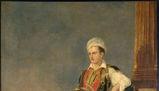
One of the typical features of the Romantic sensibility was the cult of the individual, which reached its climax in the portrait of the Byronic Hero, the fatal male protagonist of Byron's romantic works, particularly Childe Harold's Pilgrimage, the Oriental Tales (The Corsair, Lara The Giaour, The Bride of Abydos, The Siege of Corinth) and the play Manfred The Byronic Hero has very peculiar traits He is physically attractive, mysterious, proud and haughty, with a sense of superiority that often makes him misanthropic and ruthless. He is melancholy, taciturn and gloomy, thoughtful and haunted by an inscrutable sense of guilt.
Autobiographical Elements in the Byronic Hero
He is a rebel and sometimes very violent and cruel, but at the same time always brave and passionate The Byronic Hero and his Models There are many autobiographical elements in this portrait, since it corresponds to the self image that Byron spent his whole life trying to create: a proud individualist, a non-conformist, an indomitable rebel, a voluntary exile (Byron in fact left England for good in 1816); extremely handsome, endowed with a mysterious, ambiguous charm, melancholy and fatal-looking thoughtful with guilty secrets about his past life (this may refer to Byron's incestuous relationship with his half-sister Augusta Byron Leigh and his many homosexual relationships), moody, cynical defiant, implacable in revenge, fond of adventure, sensation and transgression, dissolute, but also capable of overwhelming passions, courageous, generous, an idealist ready to die young fora noble cause (Byron in fact died in Missolonghi, where he has raised an army in support of the independence of Grecce from the Ottoman Empire).
Historical and Literary Models of the Byronic Hero
This image is partly modelled on that of previous "heroes". The first example is the biblical Satan, who, in Genesis B, is portrayed as a charismatic leader banished from the reaim of God, but still determined to fight back. It was Milton, however, who, in the mid-17th century, with "Paradise Lost" turned Satan into a "romantic" hero. Milton, in fact, enphasized Satan's brave spirit, already present Courage, passion, endurance and, above all, beauty, a kind of haunted beauty that turned the hideous, cloven hoofed (con lo zoccolo caprino) medieval Satan into a magnificent, undaunted (impavido) rebel. Milton's Satan became the first of a long series of dark "heroes" in English literature, among which the satanic villains of English Gothicism, Heathcliff in "Wuthering Heights (1847) by Emily Bronte, and the protagonists of Byron's romantic works the Bible, but also gave him new original features: heroism, pride, irony, Along with Byron's reputation, the myth of the Byronic Hero soon spread throughout European literature and the type still survives in the popular literature today, in many romance Govels (romanzi rosa) where the hero is typically Byronic, gloomy and dark, aristocratic, mysterious, generous, proud, fond of justice and quite often unhappy John Milton & Paradise Lost(1667) Paradise Lost (1667) is an impressive epic poem in 12 books about the fall of Adam and Eve from the Garden of Eden after the temptation by Satan. In Book 1 there is an epic description of the rebellion against God by Satan and his rebel angels. They fight strenuously for two days, and on the third day they are defeated For nine days and nights they fall down from Heaven and finally STE Confounded, but Satan stands up and revives them with er lminating in the sentence "better to reign in Hell, than serve in Heaven" More than a fallen angel, Milton's Satan resembles the traditional heroic leader struggling in defence of his cause, a model already B. He is the prototype of the proud rebel who, although In Paradise Lost, John Milton (1608-1674), one of the greatest figures in English literature, cxpressed his deeplly-felt Protestant assertion of freedom in spiritual matters and his republican and anti monarchist ideals, which led him to support the revolutionary party and Oliver Crowell in the English Civil War in mid-17 century region of lire and ice. The rebel angels words c defeated, will never submit present in Genesis
Domande da interrogazione
- What is the significance of the Byronic Hero in Romanticism?
- How does Lord Byron's personal life influence the Byronic Hero?
- What historical and literary figures influenced the creation of the Byronic Hero?
- How did John Milton's "Paradise Lost" contribute to the concept of the Byronic Hero?
- How has the Byronic Hero influenced modern literature?
The Byronic Hero epitomizes the Romantic cult of the individual, characterized by traits such as physical attractiveness, mystery, pride, and a sense of superiority. This figure is often melancholic, rebellious, and haunted by guilt, reflecting the Romantic era's fascination with individualism and emotional depth.
The Byronic Hero contains many autobiographical elements from Byron's life, including his self-image as a proud, non-conformist rebel. Byron's personal experiences, such as his exile from England and his complex relationships, are mirrored in the hero's mysterious charm, melancholy, and defiance.
The Byronic Hero draws inspiration from historical and literary figures like Milton's Satan in "Paradise Lost," who embodies traits of heroism, pride, and rebellion. This lineage of dark, charismatic heroes extends through English literature, influencing characters in Gothic novels and beyond.
In "Paradise Lost," Milton's portrayal of Satan as a charismatic and rebellious figure laid the groundwork for the Byronic Hero. Satan's defiance and heroic qualities, despite his fall, resonate with the Romantic ideal of the proud, indomitable individual.
The Byronic Hero's archetype persists in contemporary literature, particularly in romance novels, where protagonists often exhibit Byronic traits such as gloominess, aristocracy, and a complex sense of justice. This enduring influence highlights the timeless appeal of the dark, enigmatic hero.




 Accedi a tutti gli appunti
 Tutor AI: studia meglio e in meno tempo


