


Concetti Chiave
- Canada is the second largest country globally, stretching from the Pacific to the Atlantic Ocean and almost reaching the North Pole.
- The population is approximately 22.5 million, with diverse origins: 35% British, 30% French, and 1.4% indigenous peoples like Indians and Eskimos.
- Natural resources are extensively developed, making Canada a leading producer of newsprint, nickel, uranium, and other minerals.
- Manufacturing is the most significant industry, followed by construction and farming, contributing to Canada's prosperity.
- Canada is a federation of ten provinces and two territories, with Ottawa as the capital and Quebec as the largest city.
Geographical overview of Canada
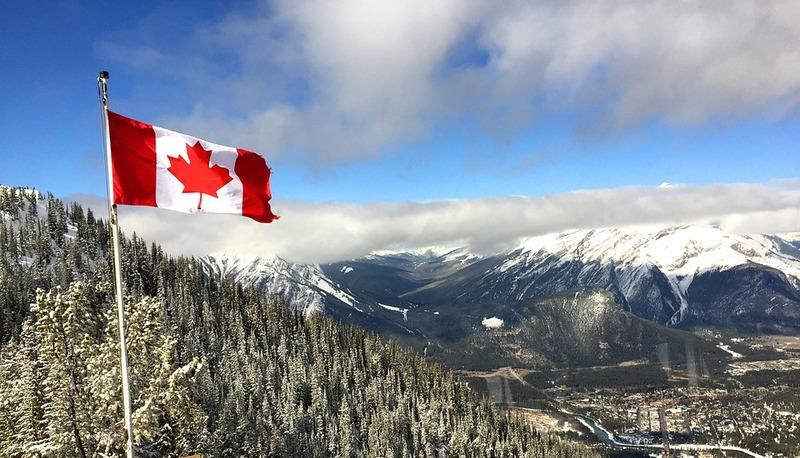
Canada is the second largest country in the world. It is slightly larger than Europe and larger than United States. Only Russia covers more area than Canada. Except for Alaska, with belongs to the U.S., it occupies the whole northern portion of the North American Continent. Canada stretches from the Pacific Ocean to the Atlantic Ocean, and from the U.S. border almost to the North Pole. Owing to its vast area, Canada is a land of great contrasts. There are large differences in its natural features, climate and vegetation, as well as in the languages and customs of its people. Its population is around 22.5 million. About 35% are of British stock, 30% French and the rest of other origins. The native peoples of Canada, the Indians and the Eskimos, comprise only 1.4% of the population.
Natural resources and economy
Canada is a beautiful and exiting land. Its rivers and lakes make Canada second only to the U.S. in the use of water to generate electricity. The Canadians have developed their country’s natural resources to make Canada one of the most prosperous nations in the world.
Manufacturing ranks as the most important industry; construction and farming rank next. Canada leads the world in the production of newsprint, the paper on with newspapers are printed. Canada is also te world ‘s biggest producer of nickel, uranium and other minerals. English is the common language, but in some areas French predominates. Canada is a federation of 10 provinces and two territories. The federal capital is Ottawa. Quebec is the largest city. (Life and culture, pag. 178)
Canada is situated in the north America continent.
Because it is a very large country.
Its population is around 22.5 million.
The native peoples of Canada were the Indians and Eskimos.
Because there are a lot of rivers and lakes.
Because the Canadian have developed the country’s natural resources.
The most important industries are manufacturing, construction and farming.
Canada leads the world in the products of newsprint. It is also production of nichel, uranium and other minerals.
The common language is English.
The capital of Canada is Ottawa.
The most important city is Quebec.
Canada is the second largest country in the world. It is larger than Europe and the united states. Canada stretches from the Pacific Ocean to the Atlantic Ocean, and from the U.S. border almost to the North Pole. Canada is a land of great contrasts in its natural features, climate and vegetation as well as in the languages and costums of its people. Its population is around 22.5 million. About 35% are British, 30% French while the Indians and Eskimos comprise only 1.4% of the population.
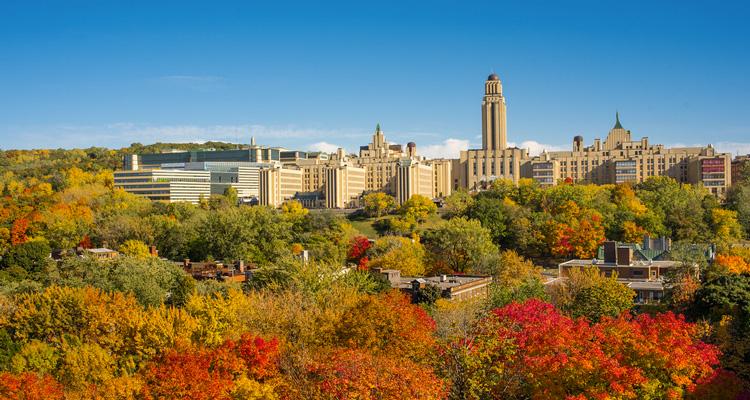
Canada is a beautiful land. Its rivers and lakes generate electricity and the Canadians have developed their country’s resources to make Canada one of the most prosperous nation’s in the world. English is the common language but in some areas French predominates. Canada is a federation of ten provinces. The capital io Ottawa and Quebec is the largest city.
Domande da interrogazione
- What makes Canada the second largest country in the world?
- How does Canada's geography contribute to its economic prosperity?
- What are the primary industries driving Canada's economy?
- How is the population of Canada distributed in terms of ethnic origins?
- What are the linguistic characteristics of Canada?
Canada is the second largest country in the world, covering the entire northern portion of the North American Continent, stretching from the Pacific Ocean to the Atlantic Ocean and from the U.S. border almost to the North Pole.
Canada's vast rivers and lakes make it second only to the U.S. in using water to generate electricity, and its developed natural resources have made it one of the most prosperous nations globally.
Manufacturing is the most important industry in Canada, followed by construction and farming. Canada also leads the world in the production of newsprint, nickel, uranium, and other minerals.
Canada's population is around 22.5 million, with about 35% of British stock, 30% French, and the rest of other origins. The native peoples, including Indians and Eskimos, comprise only 1.4% of the population.
English is the common language in Canada, but French predominates in some areas, reflecting the country's cultural diversity and historical influences.





 Accedi a tutti gli appunti
 Tutor AI: studia meglio e in meno tempo


