


…
The door of perception
…
Chiara Sangiuliano
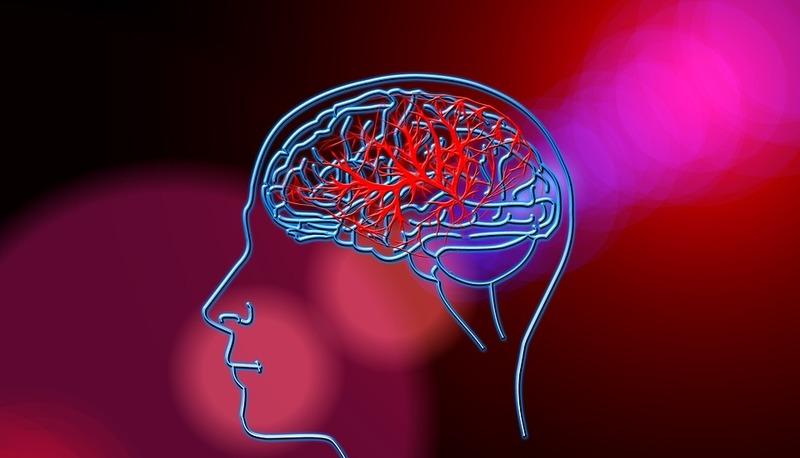
Gli studi di neuroscienze hanno stabilito che ogni comportamento è espressione di una funzione del cervello, la mente va considerata, quindi, come il prodotto di un gruppo di funzioni cerebrali. L’attività elettrica e soprattutto l’attività chimica del cervello stanno quindi alla base di complesse manifestazioni cognitive e affettive come il pensiero, la memoria, i sentimenti, il linguaggio, le emozioni, ecc.
La corteccia cerebrale di ciascun emisfero, infatti, è suddivisa in quattro regioni dette lobi, e cioè i lobi frontale, parietale, temporale e occipitale e ciascuno di essi è specifico per date funzioni, anche se ognuna di esse segue più di una via nervosa, formandosi in seguito all’interazione tra più aree cerebrali.
In particolare nell’area temporale troviamo i neuroni predisposti alla coordinazione motoria e al movimento nonché al ragionamento logico e alla pianificazione dei problemi, nello specifico sono presenti: l’area di Broca, senza la quale ci sarebbe impossibile pronunciare correttamente le parole; il lobo temporale, che svolge il ruolo di ricettore del suono inteso come melodia ed è sede della memoria; il lobo parietale che è quello più immediatamente collegato alla vista e, dunque, ai fenomeni di distorsione visiva; il lobo occipitale, infine, importantissimo per l’elaborazione spazio-temporale di forme ed oggetti, sede, tra l’altro, della cosiddetta “area sensoriale della parola” (area di Wernicke) grazie alla quale ci è possibile comprendere un qualunque testo interpretandone e comprendendone i significati più reconditi grazie all’interazione che avviene tra più aree sensoriali.
Corteccia motoria primaria
Corteccia somoestetica primaria
Solco centrale
Area premotoria
Area del gusto
Area di associazione somoestetica
Sistema limbico
Area di associazione visiva
Area prefrontale
Corteccia visiva
Area motoria della parola (area di Broca)
Area sensoriale della parola (Area di Wernicke)
Area di associazione uditiva
Corteccia uditiva primaria
Lobo temporale
Quando si sente qualcuno parlare, o quando si legge qualcosa, le informazioni entrano all'interno di sistemi sensoriali specifici e quindi vengono portate nell'area di Wernicke che controlla la componente sensitiva del linguaggio, dove vengono tradotte in una sorta di codice neurale del linguaggio. Questo viene poi inviato all’area di Broca, attraverso una via nervosa nota come fascicolo arcuato in cui, successivamente, le rappresentazioni acustiche e visive vengono tradotte in linguaggio, che può poi essere articolato e pronunciato.
Dall’interazione di queste zone con più aree sensoriali (corteccia uditiva, gustativa, olfattiva) si ricava un linguaggio particolarmente vivido ed evocativo. Ecco, dunque, gli autori che meglio cercano di rappresentare la confusione dei sensi attraverso il bombardamento percettivo.
A. Rimbaud
D. Campana
Dylan Thomas
“
The force that through the green fuse drives the flower
Drives my green age; that blasts the roots of trees
Is my destroyer.
And I am dumb to tell the crooked rose
My youth is bent by the same wintry fever” (D. Thomas)
Dylan Marlais Thomas was born in Wales in 1914 and died in New York because of excessive drinking when he was 39. He is widely regarded as one of the twentieth century's most influential lyrical poets. His acclaim is partly due to his hallmark of idiosyncratic and surreal introspection, partly by his startling imagery that is brilliant and inspirational.
Religion figures largely in his work and the dark presence of primeval gods often takes a prominent place. There is little promise of future salvation in his work, death is inimical, inevitable.
Dylan was influenced most strongly by poetic language of Shakespeare, recited by his father. These sonorous recitations undoubtedly had a lasting effect on Dylan. Long before he began writing, he fell in love with words - powerful, vigorous, and beautiful in their manifold meanings.
“New English Weekly”,
In March 1933 history was made by the a poetry publication, which became the first to print one of Thomas's works, And death shall have no dominion. The assertive optimism of the poem seems to be imposed on the reader by Thomas. What draws most attention is the constancy of hope coming from the notion that everything is cyclical: though the individuals perish, 'they shall rise again', and, though loves are lost, love itself continues.
The tone of this poem is quite sermon-like. Still, its central theme is not religion, nor religious beliefs about death, but the relationship between man and nature, powerfully framed in only 3 stanzas, repetitive and insistent at the beginning and the end, yet full of rich and vivid imagery in
And death shall have no dominion
And death shall have no dominion.
Dead men naked they shall be one
With the man in the wind and the west moon;
When their bones are picked clean and the clean bones gone,
They shall have stars at elbow and foot;
Though they go mad they shall be sane,
Though they sink through the sea they shall rise again;
Though lovers be lost love shall not;
And death shall have no dominion.
And death shall have no dominion.
Under the windings of the sea
They lying long shall not die windily;
Twisting on racks when sinews give way,
Strapped to a wheel, yet they shall not break;
Faith in their hands shall snap in two,
And the unicorn evils run them through;
Split all ends up they shan't crack;
And death shall have no dominion.
And death shall have no dominion.
No more may gulls cry at their ears
Or waves break loud on the seashores;
Where blew a flower may a flower no more
Lift its head to the blows of the rain;
Though they be mad and dead as nails,
Heads of the characters hammer through daisies;
Break in the sun till the sun breaks down,
O poesia poesia poesia l’invetriata
O poesia poesia poesia sera fumosa
La d’estate
Sorgi, sorgi, sorgi mesce
Dall’alta invetriata
Febbre elettrica
Su dalla del selciato chiarori nell’ombra notturno. E mi lascia nel cuore un



 Accedi a tutti gli appunti
 Tutor AI: studia meglio e in meno tempo




