


Concetti Chiave
- The European Union is a political, social, and economic community formed by 27 member states, rooted in a series of key treaties that guide its structure and function.
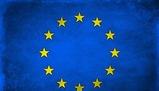
- Key symbols of the EU include its flag, a circle of golden stars on a blue background, its motto "United in diversity," and the anthem "Ode to Joy" by Beethoven.
- The Treaty of Rome established the European Economic Community in 1957, aiming to remove trade barriers, and the Maastricht Treaty in 1992 transitioned the EU into a political and social union.
- The EU's functioning relies on various institutions: the European Parliament shares legislative power with the Council, the Commission handles executive tasks, and the European Court of Justice oversees judicial authority.
- European legislation is categorized into primary (treaties) and secondary legislation (regulations, directives, and recommendations), with regulations being binding across member states.
The European Union is a political, social and economic community based on a series of treaty.
Member states: 27
Indice
What are the Symbols and Celebrations of the EU?
Flag: It is a circle of golden stars that represents the perfection in a dark blue back ground.
Motto: United in diversity.
Anthem: Ode to joy by Beethoven.
Europe day: 9th May
Patron saint: St. Benedict of Nurcia
Stages in the process of European integration
The idea of creating a new Europe based on cooperation, democracy and peace started after the 2nd world war.
The founding fathers were:
Jean Monnet
Conrad Adenauer
Robert Shuman
Treaty of Rome and Beyond
Treaty of Rome (1957)
It estabilished the EEC (European Economic Union) which included 6 countries: France, Italy, Luxemburg, Belgium, West Germany and the Netherlands.
The aim of this community was of abolish all barriers and restrictions on trade.
Fall of the Berlin wall (1989)
It marked the end of the cold war between USSR and USA and the enlargement of the EEC towards eastern Europe.
Treaty of Maastricht and Beyond
Maastricht treaty (1992)
It marked the shift from an economic union into a political and social union.
Brussels summit (1998)
The euro was officially adopted by 11 member states from the 1st of January 1999.
On the 1st of January 2002 euro notes and coins were put into circulation.
In 2004 a European Constitution was signed in Rome but it was rejected by referendum in France and the Netherlands.
Lisbon treaty (2007)
It replaced the rejected constitution and made the EU stronger:
It includes a charter of human and legal rights
It reinforces the Union’s decisions making power
It created the post of long term president of the EU (instead of the 6 month rotation).
Functioning of the EU
How the EU works
The government oh the EU consists of a number of institutions which share legislative, executive and judicial powers.
the European Parliament and the Council of the european union, share legislative power.
The European Commission is the center of the executive.
The European Court of justice exercises judicial power.
The European council discuss major European and world problems, settle difficult issues on which ministers fail to agree fail to agree and la down guidelines for future work. The president of this institution in Van Rompuy.
The European Central Bank (ECB) is responsible for the EU’s monetary policy and set interest rates in the euro area.
The Court of auditors checks that the EU budget has been managed soundly.
The Committee of regions is concerned with specific problems relating to the various regions inside the Union.
European Legislation
Legislation
European legislation falls into two categories: primary legislation, which consists of the treaties of the EU and secondary legislation, which consists of the large body of legislation enacted by EU institutions and comes in three main forms: regulation, directives and recommendations.
Regulations are legislative acts which become law in all member states. They are binding on member states and if a regulation conflicts with national provisions overrules domestic law.
Directives require member states to achieve the results outlined in the directive, leaving them free to choose how to achieve the results.
Recommendations are not binding on member states.
The European Parliament
The Ruropean Parliament
President: Martin Shulz
A European parliament has existed since the formation if EEC but originally its members were only nominated by national parliaments. The first direct election of the European parliament by universal suffrage was held in June 1979 and it was a very important step on the road to European integration.
Today the European parliament:
Is elected by universal adults suffrage every 5 years.
Is formed by members who are elected in national constituencies.
Has its official seat in Strasbourg while 1 week a month the committees meet in Brussels
Is a legislative body and it shares legislative power with the Council.
It adopts or rejects the budget.
Has the power to dismiss the commission.
Is the EU’s primary debating chamber.
Must give its assent to international agreements.
The Council of the EU
The Council
Formerly known as the Council of Ministers, this institution consists of government ministers from all the EU countries. The Council meets regularly to take detailed decisions and to pass EU laws.
It is composed of ministers of the national governments.
Is presided by the countryholding the EU presidency.
Has it official seat in Brussels.
Is the EU’s principal legislative and decision-making body.
Is responsible for intergovernmental cooperation between member states on important issues as foreign policy and security policy.
Domande da interrogazione
- What are the key symbols and celebrations of the European Union?
- What was the significance of the Maastricht Treaty for the EU?
The EU's symbols include a flag with a circle of golden stars on a dark blue background, the motto "United in diversity," and the anthem "Ode to Joy" by Beethoven. Europe Day is celebrated on May 9th, and St. Benedict of Nurcia is the patron saint.
The Maastricht Treaty, signed in 1992, transformed the EU from an economic union into a political and social union, paving the way for the adoption of the euro and further integration.




 Accedi a tutti gli appunti
 Tutor AI: studia meglio e in meno tempo


