


Concetti Chiave
- The Vikings were likely the first Europeans to reach Canada around 1000, but they did not establish settlements.
- John Cabot, an Italian-English explorer, mistakenly believed he had reached Asia when he landed in Canada in 1497.
- French and English colonies were established in Canada, often leading to conflicts, with France eventually losing to Britain.
- The Dominion of Canada was formed in 1867 and gained independence in 1931, with a significant British and French cultural influence.
- The Inuit have adapted to modern life while preserving traditions, and Native Indians maintain cultural practices like carving totem poles.
Vikings and early explorers
Vikings were probably the first Europeans to reach Canada. They landed in about 1000, but they did not stay. John Cabot (Giovanni Caboto) was an Italian-English explorer. In 1497, he sailed from England, looking for a westerly route to Asia. When he landed in Canada, he thought he was in Asia. The French explorer Jacques Cartier sailed up the St Lawrence River in 1534. France and England formed colonies in Canada. They were often at war with each other. France was defeated and the French colonies became British. Native Indians and Inuits were living in Canada thousands of years before the Europeans arrived. Some died from European diseases and some lost their land to the settlers.
Formation of modern Canada
In 1867, the British colonies were joined to form the Dominion of Canada. This became independent in 1931.
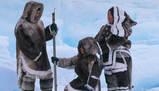
About 58 per cent of Canadians are of British or French origin. French-speaking Canadians live mainly in the province of Québec. Some of them want Québec to be an independent country. The Inuit live mainly in the Yukon, Northwest Territories and the new area called Nunavut, which means ‘our land’. They are no longer nomadic. Most of them live in houses in settlements. They use electricity and travel on snowmobiles. They buy clothes and food in shops. Some have paid jobs. The children go to school. But the Inuit still hunt and keep many of their traditions. They are famous for their soapstone sculpture. Many native Indians live on reservations. Some still live by hunting and fishing. Native Indians on the west coast are famous for their carved totem poles.
Domande da interrogazione
- Who were the first Europeans to reach Canada, and what was their impact?
- How did the formation of modern Canada come about, and what is its demographic composition?
- How have the lifestyles of the Inuit and Native Indians in Canada evolved over time?
The Vikings were likely the first Europeans to reach Canada around the year 1000, but they did not establish permanent settlements. Later, explorers like John Cabot and Jacques Cartier arrived, leading to the formation of French and British colonies.
Modern Canada was formed in 1867 when British colonies united to create the Dominion of Canada, gaining independence in 1931. Approximately 58% of Canadians are of British or French origin, with French-speaking Canadians primarily residing in Québec.
The Inuit, who now live in settlements with modern amenities, maintain many traditions and are known for soapstone sculptures. Native Indians, some of whom live on reservations, continue traditional practices like hunting and fishing, with those on the west coast renowned for carved totem poles.



 Accedi a tutti gli appunti
 Tutor AI: studia meglio e in meno tempo


