


Concetti Chiave
- The Iberians, dark-haired Iron Age people, were the first known inhabitants of the English islands, with a presence also in Spain, Southern France, Corsica, and parts of North Africa.
- Iberians constructed "henges", circular religious, political, and economic centers, the most famous being Stonehenge, though its purpose remains a mystery.
- The Iberians also left behind "barrows", large burial mounds in southern Britain.
- The Celts, arriving around 700 B.C., were distinguishable by fair or red hair and blue eyes, and came from North-west Germany.
- Celtic society recognized the role of women, with some leading tribes or fighting in battles, and their priests, the Druids, held ceremonies in forest temples.
Indice
Who were the Iberians, the first inhabitants of the English islands?
The prehistoric inhabitants of the English islands were the Iberians. They were dark-haired iron-age people and their name derived from the river Iberus. Traces of these gents are found not only in Spain, but also in Southern France and Corsica, in the Canary Islands and in some areas of North Africa. In England they settled both in Britain and in Ireland. The Iberians built circular structures that were religious centers and held also a political and economical position. These were known as the “henges”, earthworks consisting of great circular banks and ditches with small stone circles and wooden buildings. The most famous and spectacular of these is Stonehenge, but its function remains still unknown. In south of Britain the Iberians left the “barrows”, large earthy or stony mound graves.
Arrival and characteristics of the Celts
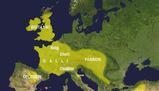
The Celts began to arrive to England in 700 B.C. They were people characterized by fair or red hair and blue eyes and they were coming from North-west Germany. Particular was the importance of women within the tribes; some women were known to rule large tribes themselves, others were fighting in battle showing great courage as well as strength. The priests of the Celts were the Druids and their religious temples were to be found in the forests. The Gaelic and Welsh, two languages which are spoken in Scotland and Wales respectively, originated from the Celts.
Domande da interrogazione
- Who were the first known inhabitants of the English islands and what structures did they build?
- What are some key characteristics of the Celts who arrived in England around 700 B.C.?
- How did the Iberians and Celts influence the languages spoken in certain parts of the UK today?
The first known inhabitants of the English islands were the Iberians, dark-haired iron-age people. They built circular structures known as "henges," which served as religious, political, and economic centers. The most famous of these is Stonehenge, though its exact function remains unknown.
The Celts, arriving in England around 700 B.C., were characterized by fair or red hair and blue eyes. Women held significant roles within their tribes, sometimes ruling large tribes or fighting in battles. The Druids were their priests, and their religious temples were located in forests.
The Celts influenced the languages spoken in parts of the UK today, with Gaelic and Welsh originating from them. These languages are still spoken in Scotland and Wales, respectively.





 Accedi a tutti gli appunti
 Tutor AI: studia meglio e in meno tempo


