


Concetti Chiave
- The Great Wall, a World Heritage site since 1987, is a monumental defensive structure extending nearly 7200 km, constructed initially in the third century BC.
- With an average height of 10 m and width of 6.5 m at the base, it features forts, signal towers, and bunkers for defense and logistics.
- The Wall was built to protect against northern nomadic invasions, with Emperor Shihuang unifying various segments in 221 BC.
- Modern threats include mass tourism, pollution, and earthquakes, which can cause significant damage to the structure.
- The Great Wall holds immense cultural and historical significance, symbolizing strength, unity, and a major tourist attraction in China.
Indice
What is the wonder of the world?
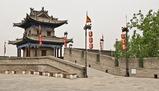
The Great Wall is one of the seven wonders of the world , it is the largest defensive system. In 1987, the Great Wall has been included in the World Heritage List . The largest portion of the ' Great Wall was built in the third century BC by the first emperor of the Chin dynasty and ended with the Ming Dynasty. It extends nearly 7200 km like a majestic dragon dance in the air. Outside it is made with large slabs of stone and bricks, while inside it’s ground and crushed stones.
Structural characteristics
It has an average height of about 10 m , a width of 6.5 m at the base and 5.5 m at the top, and 4 horses can ride side by side, facilitating the transport of troops, food and weapons. Inside there are stairs leading to stone. In addition there are forts and signal towers. The bunkers were used to store weapons and food, and rest the soldiers, while the towers could make sightings.
It has been used to defend against attacks from ethnic minorities who lived in the north, central China's rulers linked the watchtowers with the walls, eventually forming the Great Wall. In 221 BC , after unifying China , Emperor Shihuang linked the Great Wall built by the various kingdoms , so as to form a barrier on the northern border , in order to defend itself from attacks of nomads from the grasslands of Mongolia. Then the Great Wall now exceeded 5000 km.
Modern threats
Mass tourism, pollution and natural events such as earthquakes are threats for the Great Wall.
Mass tourism = because walking over the wall, it may fall or be damaged and even if it was made to withstand the attacks of an army after more than two thousand years it can be easily damaged.
Pollution = produced by the combustion of hydrocarbons in particular, can be transformed through chemical processes in acids and damage the stones with which it is built
Earthquakes = can destroy the massive wall
Cultural significance
The Great Wall has a great cultural and historical significance and a strong tourist value. In China it is said that he who does not climb on the Great Wall is not a true man. All the tourists and the Chinese consider the visit of the Great Wall a honor.
Domande da interrogazione
- What makes the Great Wall of China a significant wonder of the world?
The Great Wall of China is one of the seven wonders of the world due to its status as the largest defensive system, its historical significance, and its impressive construction spanning nearly 7200 km. It was built primarily during the Chin and Ming Dynasties and is recognized as a World Heritage Site since 1987.




 Accedi a tutti gli appunti
 Tutor AI: studia meglio e in meno tempo


