


Concetti Chiave
- Julius Caesar first landed in Britain in 55 B.C., encountering the Picts in the north and the Britons in the south.
- The Romans returned in A.D. 43, influencing Britons with their civilization, while Picts remained resistant in the north.
- With the Roman decline in the 5th century, Anglo-Saxon tribes such as Angles, Saxons, and Jutes began occupying Britain.
- In the 9th century, Scandinavian tribes like Danes and Vikings invaded, impacting Britain's cultural and literary landscape.
- The Norman Conquest in 1066 saw Nordic-origin Normans defeat the last Saxon king at the Battle of Hastings.
Indice
Ancient Invasions of the British Isles
The anglo-Saxon civilization was an invading culture. However, it was not the first civilization to invade the British isles. Julius Caesar first landed in Britain in 55 B.C. and recorded his impressions in his Commentaires, describing the two tribes that inhabited the island: the Pict, Scottish tribes in the north and the Britons, a Celtic people in the rest of country. In A.D. 43 the Romans returned in force and stayed for more than three hundred years. The Picts remained hostile and were pushed further north, while the Britons gradually Assimilated many aspects of Roman civilization.
Roman Decline and Anglo-Saxon Arrival
by the beginning of the 5th century A.D., the Roman empire began to fall, and the legions in Britain were recalled to defend Rome itself from invasion. when the legions abandoned Britain, they left the door open for a new wave of barbaric invaders from northern Europe: the Anglo-Saxons. 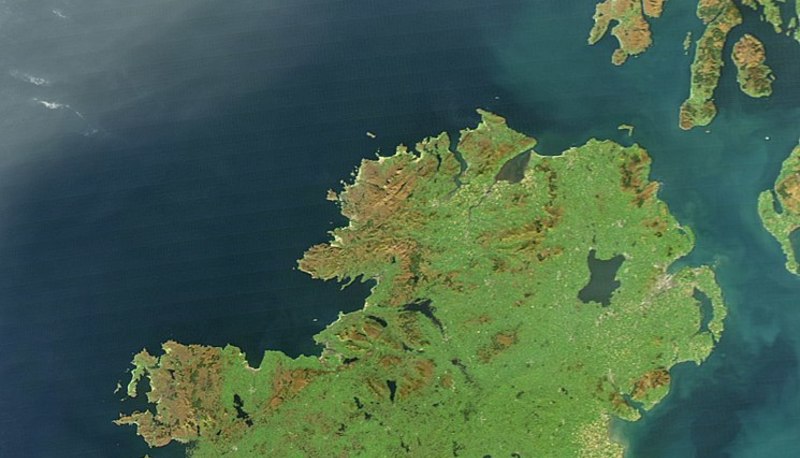 The new invaders were Germanic tribes known as Angles, Saxons and Jutes, and from A.D. 499 they began to occupy different parts of the new country, pushing the original inhabitants, the Britons and Celts, into the northern and western parts of the island. Angles established them in Northumbria and Mercia, that take place in the North of island; Jutes estalblished them in Kent (in the south) and Saxons in Essex, Middlessex,etc.
New Germanic and Cultural Invasions
around the 9th century new invasions began from other Germanic tribes from the area of Scandinavia: the DANES and VIKINGS, know also like NORSEMEN. The began to attack the kingdoms of Northumbria and Kent.these invasions also redisegned the cultural and literary wap of Britain at the time; in fact all the monasteries of this time became an important centre of culture, but Danish and Vikings were people that no love culture, in fact they love war etc.
Norman Conquest of 1066
besides in 1066 the Normans invaded Britain; the Normans was a people of Nordic origin who defeated the last Saxon king at the battle of Hastings.
Domande da interrogazione
- What were the key civilizations that invaded the British Isles before the Anglo-Saxons?
- How did the Anglo-Saxon invasion change the demographic landscape of Britain?
- What impact did the Viking and Norman invasions have on Britain?
Before the Anglo-Saxons, the British Isles were invaded by the Romans, who first arrived with Julius Caesar in 55 B.C. and later returned in A.D. 43, staying for over three centuries. The Romans encountered the Picts in the north and the Britons, a Celtic people, in the rest of the country.
The Anglo-Saxon invasion, beginning around A.D. 499, involved Germanic tribes such as the Angles, Saxons, and Jutes. They occupied various parts of Britain, pushing the original Britons and Celts into the northern and western regions, with the Angles settling in Northumbria and Mercia, the Jutes in Kent, and the Saxons in areas like Essex and Middlesex.
The Viking invasions in the 9th century, led by Danes and Norsemen, attacked kingdoms like Northumbria and Kent, affecting the cultural and literary landscape by targeting monasteries. The Norman Conquest of 1066, led by a people of Nordic origin, culminated in the defeat of the last Saxon king at the Battle of Hastings, marking a significant shift in power.



 Accedi a tutti gli appunti
 Tutor AI: studia meglio e in meno tempo


